All articles
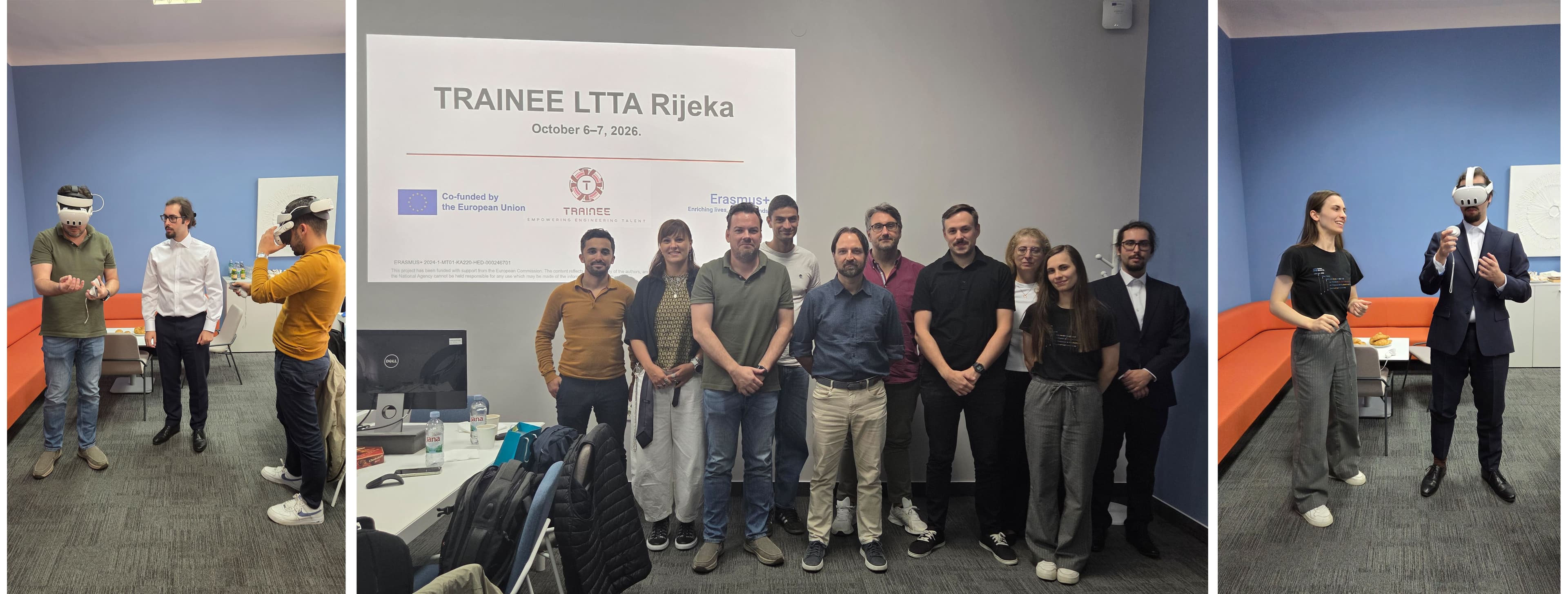
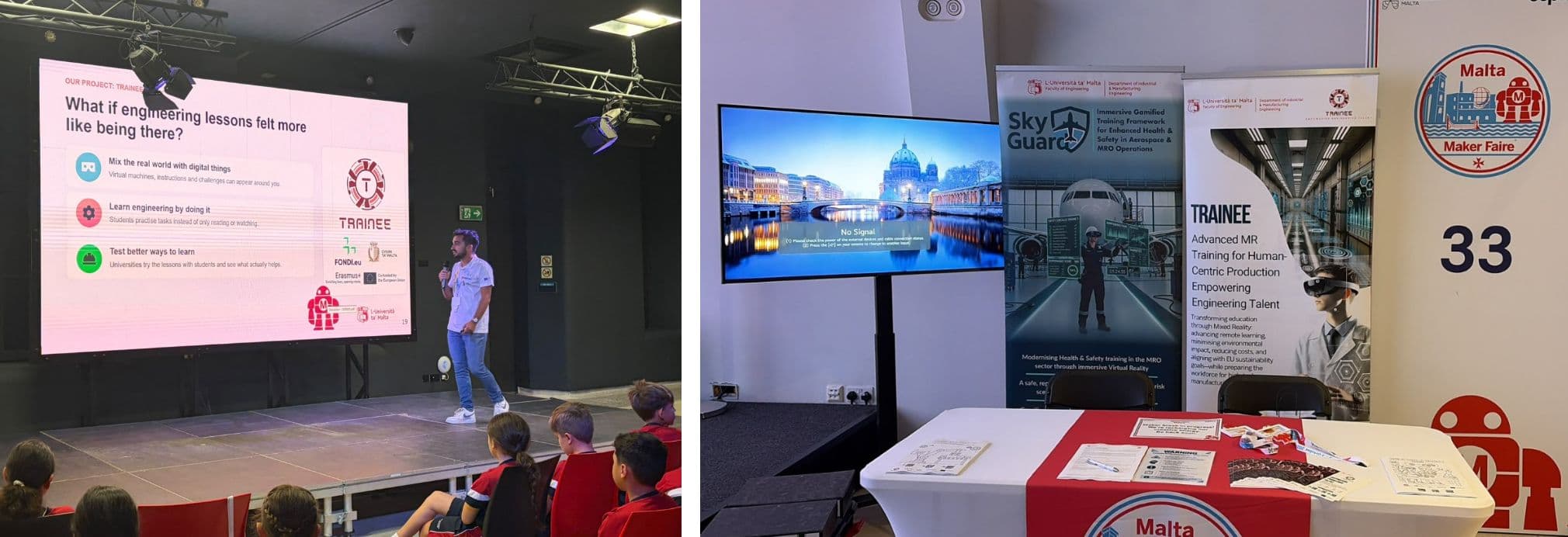


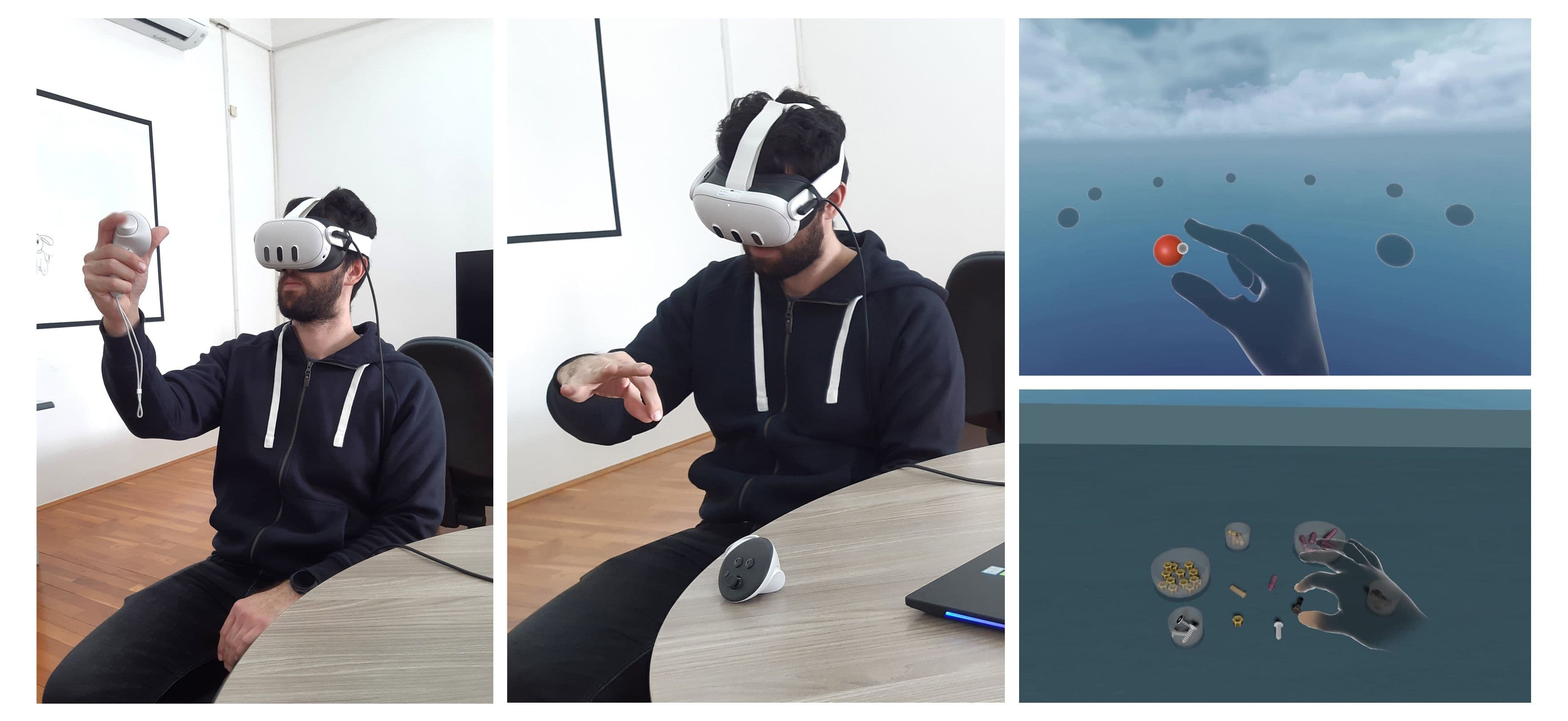
TRAINEE research outputs are gaining momentum 🚀
We are pleased to announce that another research paper developed within the TRAINEE project has been published in Multimodal Technologies and Interaction.
What began as an initial idea within the project – exploring how Virtual Reality can support enhanced Intended Learning Outcomes (ILOs) – has evolved into a comprehensive empirical study in the field of Human-Computer Interaction (HCI).
The paper examines how well Fitts' law, a foundational model of human movement and interaction performance, applies in immersive VR environments using both controller-based and hand-tracking interactions. In addition to evaluating interaction performance, the study explores whether models derived from standardized VR tasks can predict user behavior in more realistic object-manipulation scenarios.
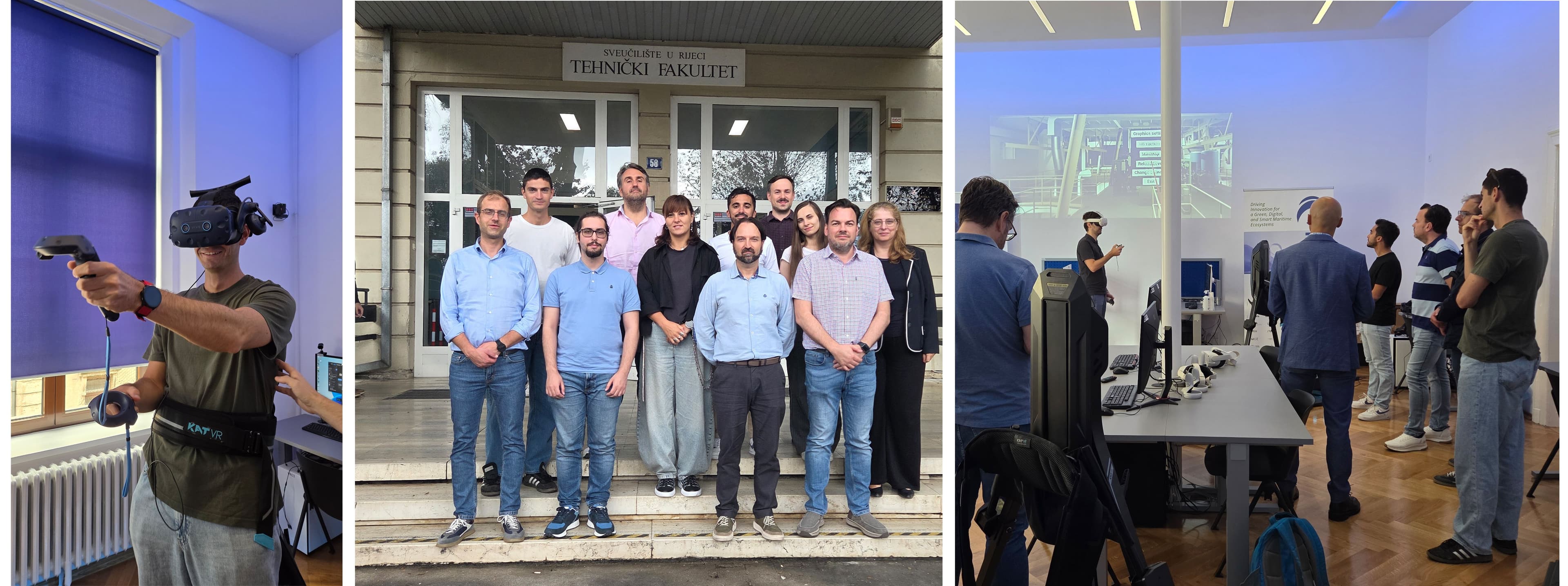
The work was led by the UNIRI partners as part of WP3 activities focused on developing MR-based training content for technology-enhanced learning. While the study provides valuable HCI insights, it also opens up exciting opportunities for educational integration. The developed immersive scenarios are expected to be incorporated into future teaching activities and curricula, including additional laboratory exercises.
Importantly, a pilot study conducted with UNIRI students has already confirmed the pedagogical effectiveness, usability, accessibility, and technical quality of the developed solution, providing a strong foundation for its future educational application.
We look forward to continuing our work at the intersection of MR, learning, and innovation. 🚀
The full open-access article is available here: https://doi.org/10.3390/mti10050049
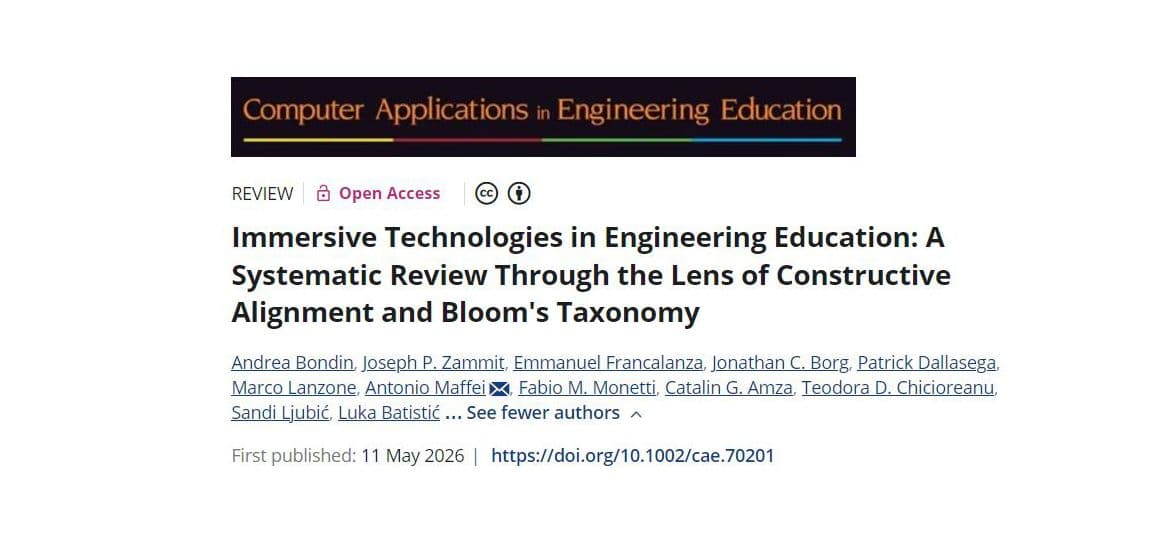
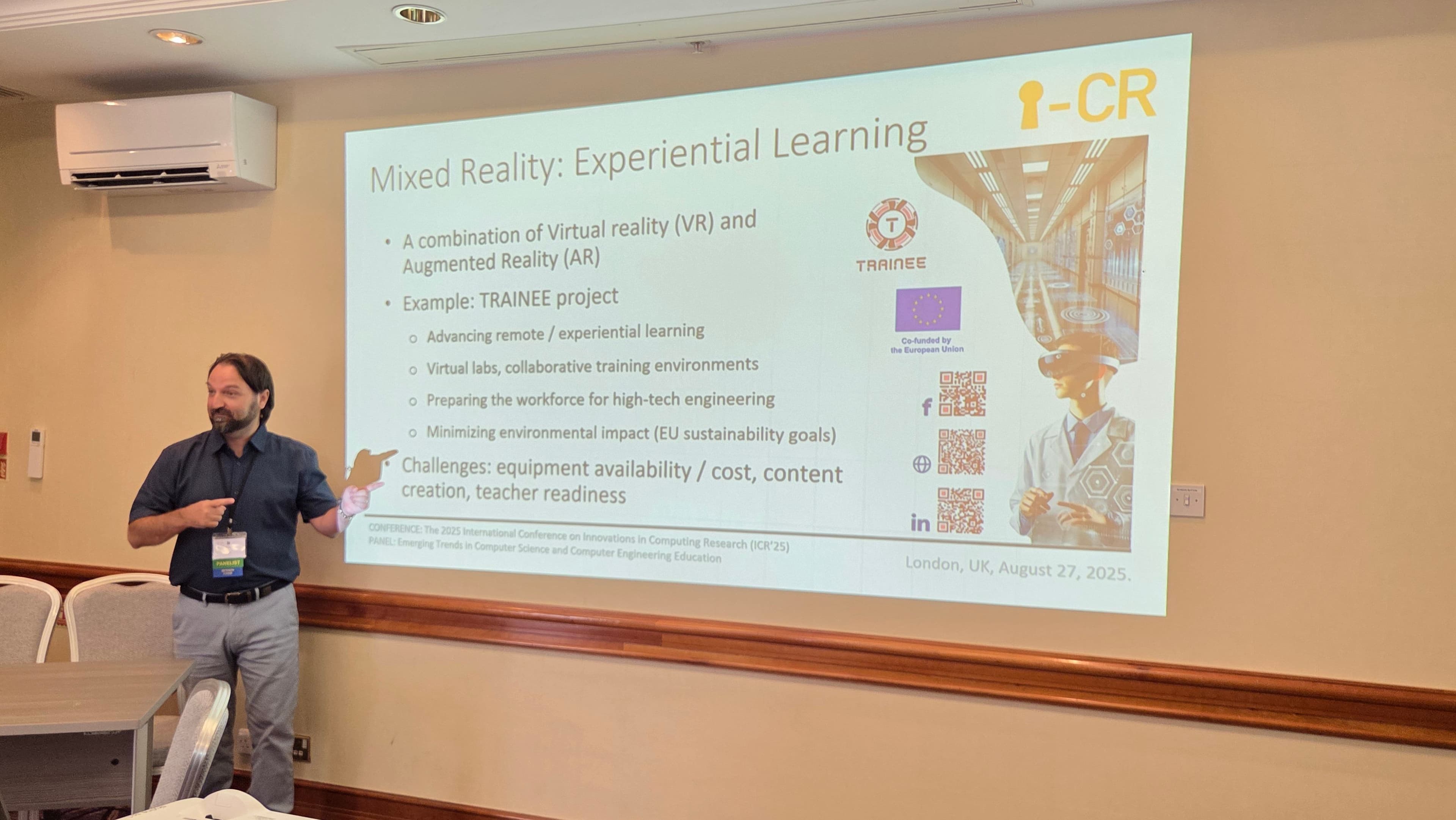
How can Mixed Reality truly transform engineering education? 👩🏫
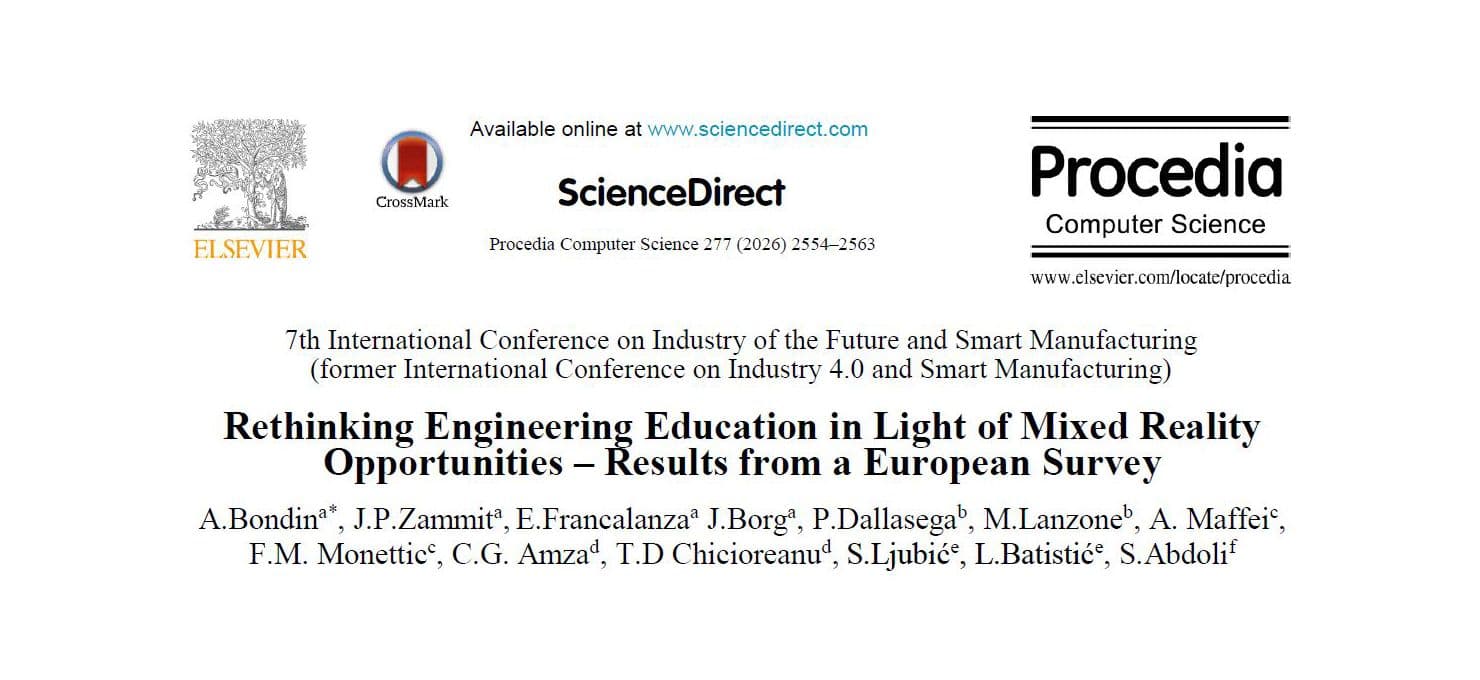
The TRAINEE consortium published a new open-access systematic literature review in Computer Applications in Engineering Education (Wiley), revealing that Mixed Reality is rarely deployed holistically across engineering curricula and proposing an example of good practice for integrating immersive technologies through Constructive Alignment and Bloom's Taxonomy.
To address this gap, the paper proposes an example of good practice for embedding immersive technologies holistically across an engineering programme, aligning intended learning outcomes, teaching and learning activities, and assessment tasks with the affordances of MR. This offers educators a concrete pathway to move beyond novelty toward measurable, higher-order learning gains.
The full open-access article is available here: https://doi.org/10.1002/cae.70201




TRAINEE Project featured in The Sunday Times of Malta 🗞️ ✨
We’re proud to share that the TRAINEE project has been featured in The Sunday Times of Malta! The article, titled “Engineering the future through mixed reality”, explores how TRAINEE is transforming engineering education through immersive, gamified, and industry-aligned learning experiences.
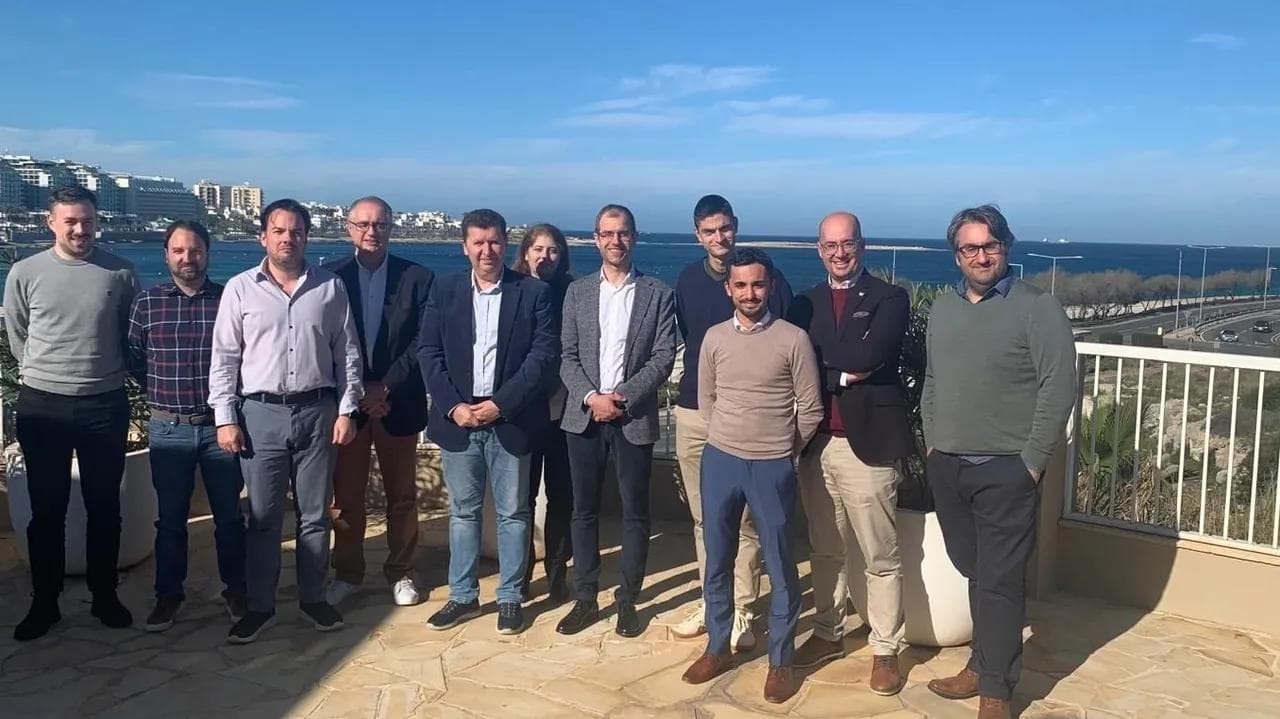
The feature highlights TRAINEE’s collaboration between universities and industry partners across Europe, including the University of Malta, University of Rijeka, KTH Royal Institute of Technology, and Free University of Bozen-Bolzano, and how the project is preparing the next generation of engineers with the skills needed for Industry 5.0.
Read more about how TRAINEE is inspiring innovation in higher education and shaping the engineers of tomorrow by following this link: https://lnkd.in/d7Urni2Y
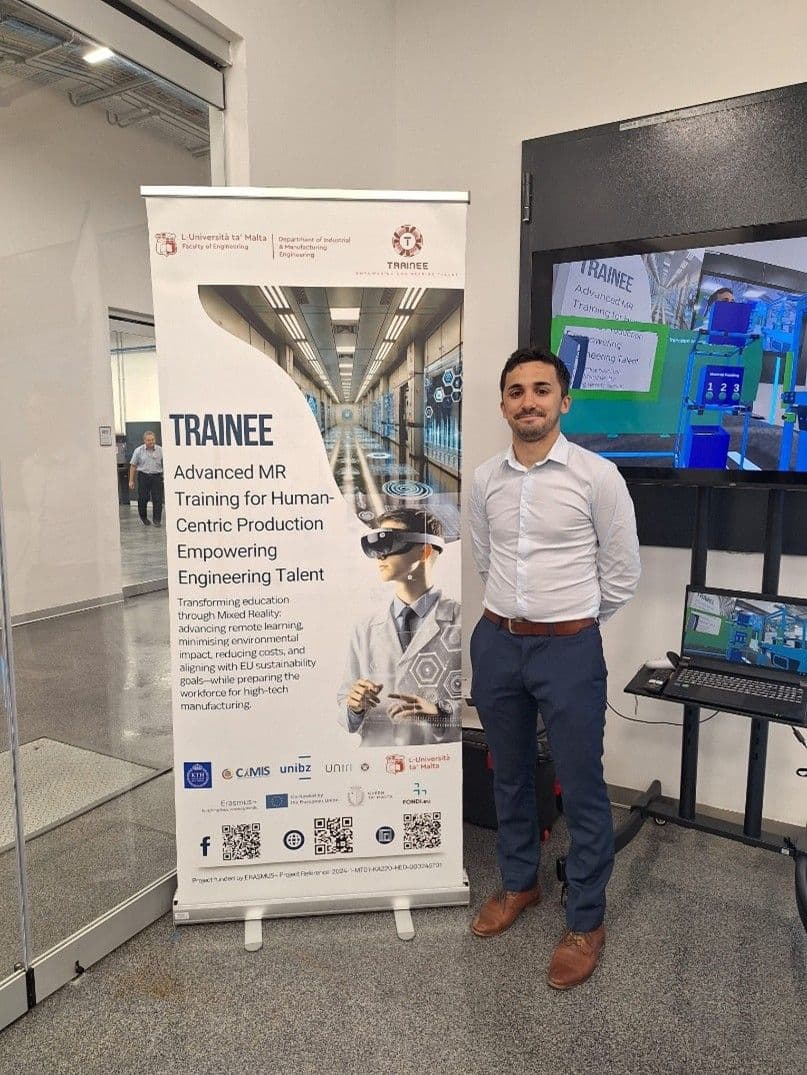



Tell Us What You Think!
Tell Us What You Think! Survey on Engineering Education & Innovation 🎓
Your input will help shape new training tools and educational strategies!
We're gathering insights from the global engineering community to guide the development of innovative training tools and educational strategies for current and future engineers.
We’re inviting both educators and students to take part in a short, focused survey. Your input will directly support the improvement of engineering education and training practices across different contexts — from universities to industry settings.
🔧 For Engineering Educators & Mentors
Are you a lecturer, academic, or industry mentor involved in training engineers or supporting their continuous development?
👉 Take the Mentor Survey here:
https://lnkd.in/dbUgF5as
🎓 For Engineering Students & Early-Career Engineers
Are you currently studying engineering (undergraduate or postgraduate), or are you a recent graduate receiving training on the job?
👉 Take the Student Survey here:
https://lnkd.in/dKyiyjMy
💡 Whether you're in academia or industry, your insights will help shape more relevant and impactful training experiences for engineers around the world. It only takes a few minutes to contribute!
Thank you for being part of this important initiative.